Sartorius: origin, insertion, action and innervation
The sartorius runs from the anterior superior iliac spine to the upper medial tibia. It flexes, abducts and laterally rotates the hip, flexes the knee and is supplied by the femoral nerve. It is the longest muscle in the body.
Quick answer
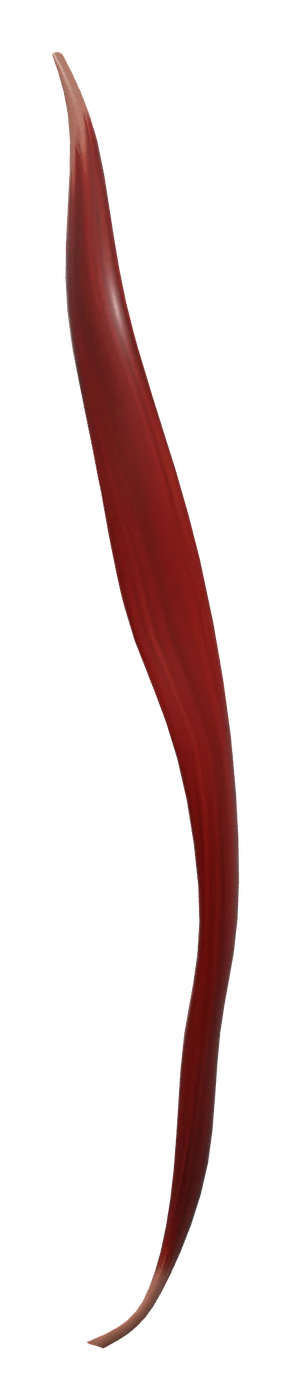
The sartorius is the longest muscle in the body: a thin strap that crosses the front of the thigh diagonally, from the hip to the inside of the knee. Its name comes from the Latin sartor, tailor, after the cross-legged position tailors once sat in.
Where it is
It starts at the bony point at the front of the hip, runs down and inward across the front of the thigh, then curves behind the medial side of the knee. In the upper thigh it forms the lateral border of the femoral triangle; lower down, it covers the adductor canal.
Origin and insertion
- Origin: the anterior superior iliac spine (ASIS).
- Insertion: the upper medial surface of the tibia, as part of the pes anserinus ("goose's foot") with the gracilis and semitendinosus.
What it does
It crosses the hip and the knee, and combines four movements, the ones you use to sit cross-legged or look at the sole of your foot:
- Hip flexion
- Hip abduction
- Lateral rotation of the hip
- Knee flexion
Innervation and blood supply
The femoral nerve (L2–L3) supplies it, and branches of the femoral artery its blood.
How to remember it
- Tailor's muscle: cross-legged = flex, abduct, laterally rotate the hip, flex the knee.
- Pes anserinus = "Say Grace before Tea": Sartorius, Gracilis, semiTendinosus, from front to back.
Frequently asked questions
Is the sartorius the longest muscle in the body?
Yes, it's generally described as the longest muscle in the human body.
Where does the sartorius insert?
On the upper medial surface of the tibia, as part of the pes anserinus.
Which nerve supplies the sartorius?
The femoral nerve, from L2 and L3.