Sternum: anatomy, parts and muscle attachments
The sternum, or breastbone, is the flat bone in the middle of the chest. Learn its three parts (manubrium, body, xiphoid process), the sternal angle, its joints with the clavicles and ribs, and its muscle attachments.
Quick answer
- Latin name
- Sternum
- Type
- Flat bone
- Location
- Front of the chest, in the midline
- Joints
- Sternoclavicular joints with the clavicles; sternocostal joints with the costal cartilages of the ribs
- Main landmarks
- Manubrium, jugular (suprasternal) notch, clavicular notches, sternal angle, body, xiphoid process
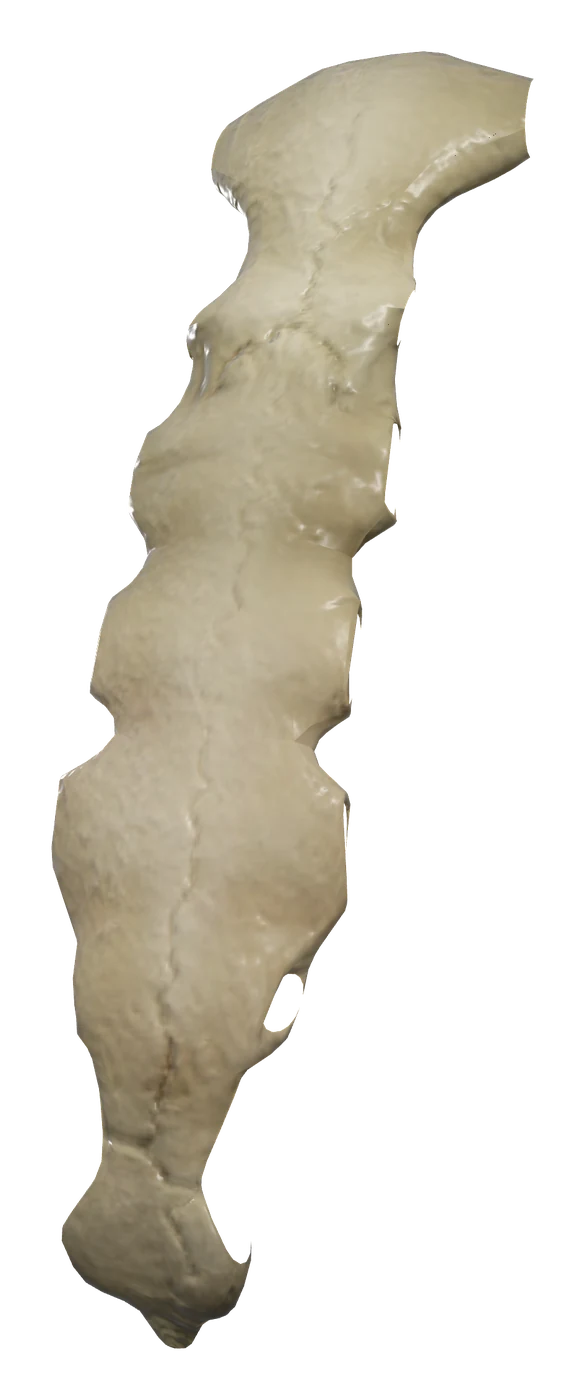
The sternum is the flat bone in the middle of the front of the chest. Together with the ribs and the thoracic spine, it forms the thoracic cage that protects the heart and lungs.
Its three parts
- The manubrium, at the top. The jugular (suprasternal) notch is the dip you feel at the base of the neck. On each side, a clavicular notch meets the clavicle, and the first costal cartilage attaches just below.
- The body, the long middle part, joined by the costal cartilages of ribs 2 to 7.
- The xiphoid process, a small tip at the bottom, cartilaginous in young people and ossified later.
The sternal angle
Where the manubrium meets the body, the bone forms a slight ridge, the sternal angle (angle of Louis). It lies at the level of the second costal cartilage, which makes it the standard landmark for counting ribs, and roughly at the level where the trachea divides.
Muscles attached
- The pectoralis major (sternocostal head) on the front.
- The sternocleidomastoid (sternal head) on the manubrium.
- The rectus abdominis on the xiphoid process, along with the costal cartilages 5 to 7.
- The diaphragm, by a small slip from the back of the xiphoid process.
Frequently asked questions
What are the three parts of the sternum?
The manubrium, the body and the xiphoid process.
What is the sternal angle?
The junction between the manubrium and the body, at the level of the second costal cartilage, used to count ribs.
Which muscles attach to the sternum?
The pectoralis major, sternocleidomastoid, rectus abdominis and a slip of the diaphragm.