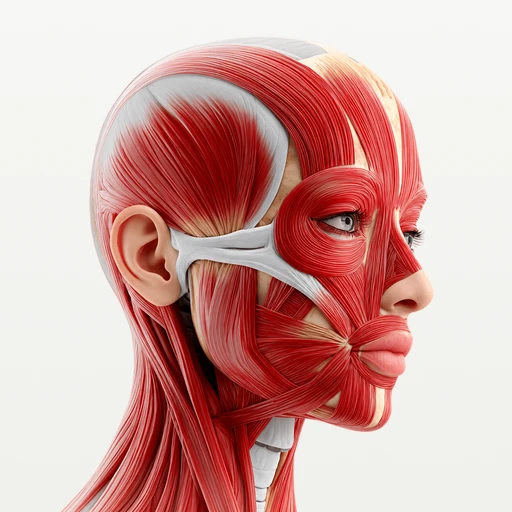
Pectoralis major: origin, insertion, action and innervation
The pectoralis major arises from the clavicle, sternum and upper costal cartilages and inserts on the humerus. It adducts and medially rotates the arm and is supplied by the pectoral nerves.
Quick answer
- Latin name
- Musculus pectoralis major
- Origin
- Clavicular head: medial half of the clavicle. Sternocostal head: front of the sternum, costal cartilages of ribs 1–6 and the aponeurosis of the external oblique
- Insertion
- Lateral lip of the intertubercular groove (crest of the greater tubercle) of the humerus
- Action
- Adducts and medially rotates the arm; the clavicular head flexes it, the sternocostal head extends it from a flexed position
- Innervation
- Medial and lateral pectoral nerves (C5–T1)
- Blood supply
- Pectoral branches of the thoraco-acromial artery
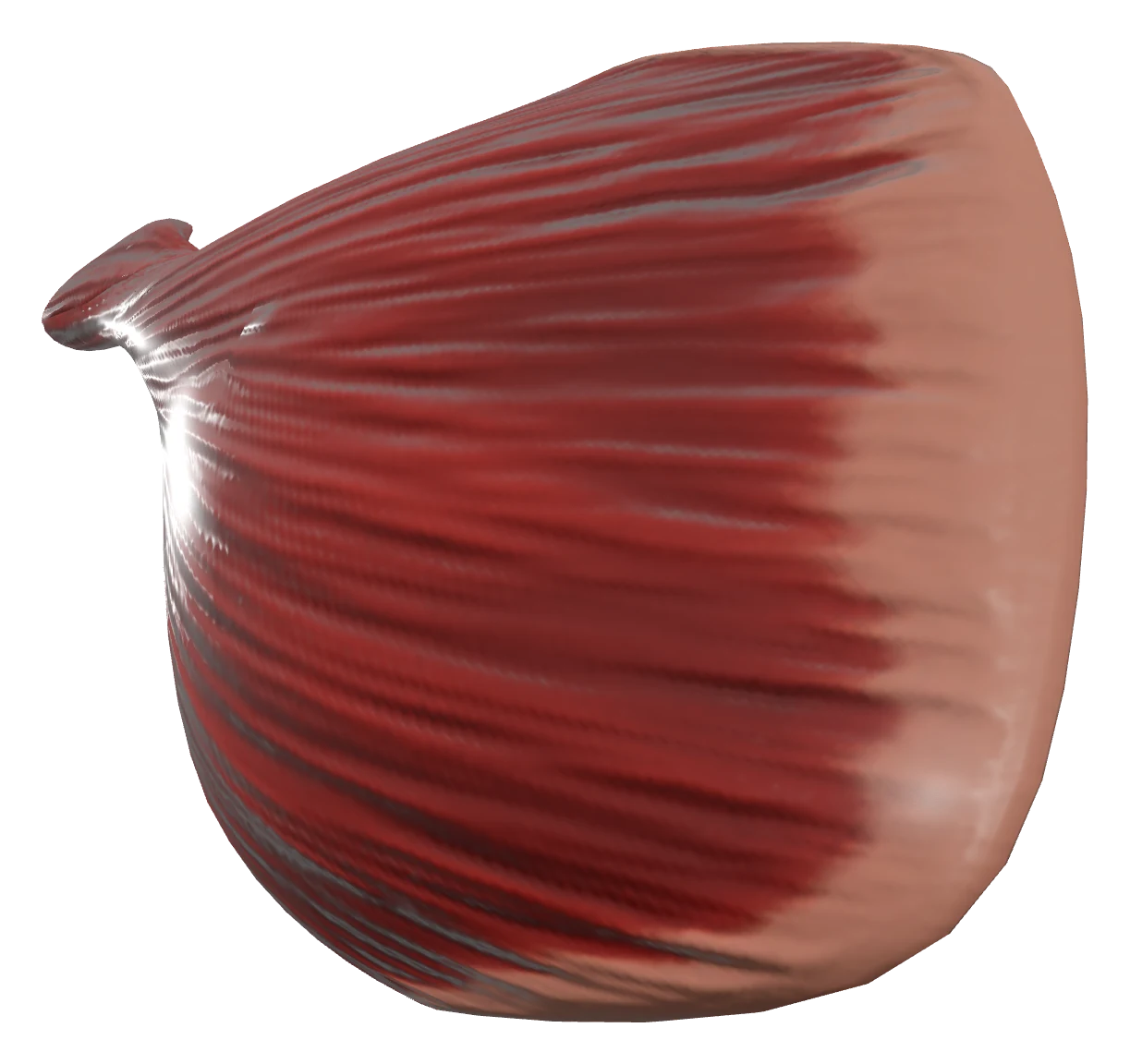
The pectoralis major is the large, fan-shaped muscle of the chest. It forms most of the front wall of the armpit and gives the chest its contour.
Where it is
It covers the upper front of the thorax, from the clavicle down to about the sixth rib and from the midline of the sternum out to the shoulder. Its fibres converge on a flat tendon that twists on itself before reaching the humerus. Deep to it lies the pectoralis minor.
Origin and insertion
The muscle has two heads:
- the clavicular head, from the medial half of the clavicle;
- the larger sternocostal head, from the front of the sternum, the cartilages of the first six ribs and the aponeurosis of the external oblique muscle.
Both insert on the lateral lip of the intertubercular (bicipital) groove of the humerus. The tendon is folded: the lowest fibres of the origin reach the highest point of the insertion, which lets the muscle keep its pull as the arm rises.
What it does
- Adduction: pulls the arm towards and across the body, as in a hug.
- Medial rotation: turns the arm inwards.
- Flexion and extension: the clavicular head raises the arm forwards; the sternocostal head brings a raised arm back down, as in climbing or a pull-down.
With the arm fixed overhead, it can help lift the ribs during forced breathing.
Innervation and blood supply
The lateral pectoral nerve mainly supplies the clavicular head, and the medial pectoral nerve the sternocostal head (together roots C5 to T1). The blood supply comes from the pectoral branches of the thoraco-acromial artery.
How to remember it
- Major = big fan on the chest; minor hides underneath.
- "Lateral lip" for the pec major, "floor" for latissimus dorsi, "medial lip" for teres major: the three tendons of the bicipital groove ("a lady between two majors").
Frequently asked questions
Where does the pectoralis major insert?
On the lateral lip of the intertubercular groove of the humerus.
What are the two heads of the pectoralis major?
The clavicular head, from the clavicle, and the sternocostal head, from the sternum and upper costal cartilages.
Which nerves supply the pectoralis major?
The medial and lateral pectoral nerves, from the brachial plexus (C5–T1).